Mold is one of the most common indoor problems faced by homeowners, especially in areas with moisture, humidity, or past water damage. It often starts silently in hidden corners and spreads before it is even noticed. While it may look like a small stain on a wall or ceiling, mold can quickly grow into a serious issue that affects both the structure of your home and the quality of the air you breathe.
Mold remediation is the complete professional process used to eliminate mold growth, control contamination, and prevent it from returning. Unlike simple cleaning, remediation focuses on identifying the root cause of moisture, treating affected areas, and restoring a safe indoor environment. This guide explains everything in detail so homeowners can understand how mold problems develop and how they should be handled properly.
What is Mold Remediation?
Mold remediation is a structured process designed to remove mold from indoor spaces and stop future growth. It involves more than just wiping surfaces because mold spores can spread through the air and settle in hidden areas.
The process includes inspection, containment, removal, cleaning, and prevention. Each step ensures that mold is not only removed visually but also eliminated at the source. Without proper remediation, mold often returns even after cleaning.
Causes of Mold Growth
Mold grows when moisture and organic material combine in a poorly ventilated space. It thrives in dark and damp environments.
Common causes include leaking pipes, roof damage, condensation on windows, high humidity levels, and flooding. Bathrooms, kitchens, basements, and attics are especially vulnerable because they often have limited airflow.
If moisture problems are not resolved quickly, mold spreads across walls, ceilings, carpets, and even inside HVAC systems.
Signs of Mold in a Home
Mold is not always visible at the beginning, but it usually leaves clear warning signs.
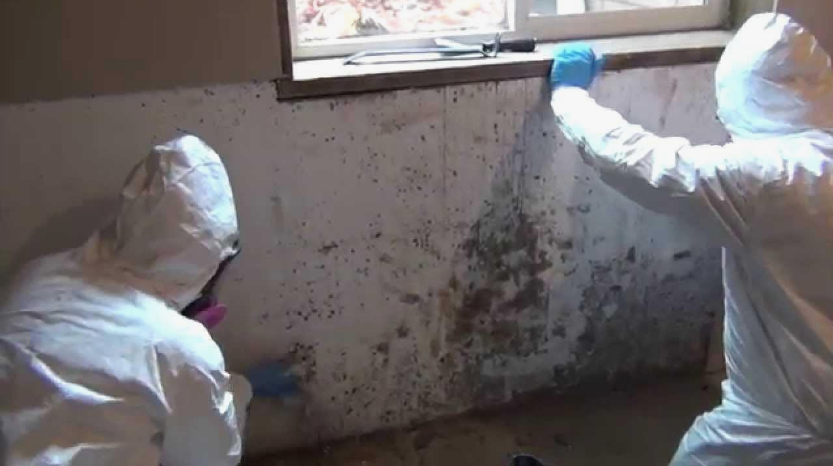
A strong musty smell is one of the earliest indicators. You may also notice discoloration on walls, peeling paint, or dark spots forming in corners. In some cases, mold appears as green, black, or white patches.
Health symptoms can also indicate mold presence, such as frequent sneezing, coughing, throat irritation, or watery eyes when indoors.
Mold Remediation Process Explained
The mold remediation process follows a systematic approach to ensure complete removal.
First, a detailed inspection is carried out to locate mold growth and identify moisture sources. After that, the affected area is sealed off using containment barriers to stop spores from spreading.
Next, professionals remove mold using specialized cleaning agents and equipment. This step may also involve removing contaminated materials such as drywall or carpet if they cannot be cleaned.
After removal, deep cleaning and air filtration are performed to eliminate remaining spores. Finally, preventive treatments are applied to reduce the chance of future growth.
Health Risks of Mold Exposure
Mold exposure can have serious effects on health, especially with long-term contact.
It can trigger allergies, respiratory problems, skin irritation, and sinus infections. People with asthma or weakened immune systems may experience more severe reactions.
Continuous exposure to mold spores can worsen indoor air quality and lead to chronic discomfort, making early remediation very important.
Mold Remediation vs Mold Removal
Many people confuse mold removal with mold remediation, but they are not the same.
Mold removal only focuses on cleaning visible mold from surfaces. However, it does not address hidden spores or the moisture source causing the problem.
Mold remediation is a complete solution that eliminates both visible and hidden mold while also correcting the underlying cause. This makes it a long-term solution rather than a temporary fix.
How to Prevent Mold Growth
Preventing mold is easier and more cost-effective than removing it later.
The key is moisture control. Fix leaks as soon as they appear and ensure proper ventilation in bathrooms, kitchens, and laundry areas. Using exhaust fans and dehumidifiers can help maintain balanced humidity levels.
Regular cleaning and inspection of hidden areas such as basements, attics, and under sinks also help in early detection and prevention.
When to Call a Professional
Some mold problems can be small, but many require professional attention.
If mold covers a large area, keeps returning after cleaning, or is hidden behind walls or flooring, it is best to contact a specialist. Professionals use advanced tools to detect hidden mold and ensure complete removal.
They also handle safety measures to prevent spores from spreading during the process.
Importance of Air Quality in Mold Control
Indoor air quality plays a major role in mold prevention and control. Poor airflow allows moisture to build up, creating ideal conditions for mold growth.
Air filtration systems and proper ventilation help reduce airborne spores. Keeping indoor environments dry and well-ventilated significantly lowers the risk of mold returning after remediation.
Cost Factors in Mold Remediation
The cost of mold remediation depends on several factors including the size of the affected area, severity of the infestation, and location of the mold.
Other factors include labor requirements, materials needed for replacement, and whether structural repairs are required. Larger infestations involving hidden mold or HVAC systems generally require more work and resources.
Why Quick Action Matters
Delaying mold removal allows it to spread deeper into materials and structures. What starts as a small patch can quickly become a major issue affecting multiple areas of the home.
Early remediation helps reduce damage, lower costs, and protect health. Acting quickly is always the best approach when mold is suspected.
Long-Term Mold Prevention Strategy
A long-term prevention plan includes regular inspections, moisture control, and proper home maintenance.
Homeowners should focus on fixing water issues immediately, maintaining ventilation systems, and monitoring humidity levels throughout the year. Preventive maintenance significantly reduces the chance of future mold problems.
Conclusion
Mold remediation is an essential process for maintaining a safe, clean, and healthy indoor environment. It not only removes existing mold but also targets the root cause of moisture to prevent regrowth. Understanding how mold develops and spreads helps homeowners take timely action before the problem becomes severe.
Proper remediation ensures long-term protection of both property and health. By combining professional treatment with regular maintenance and moisture control, mold problems can be effectively prevented.
Taking early action is the most important step in protecting your home from costly damage and maintaining good indoor air quality for the future.