Mold is one of the most persistent and misunderstood problems a homeowner can face. While it plays a vital role in nature by breaking down organic matter, inside your home, it becomes a silent adversary that can compromise both your property and your health.
A professional mold inspection performed by a qualified mold inspection company or experienced mold inspection contractor is the first—and most critical—step in reclaiming your space. But what exactly does a mold inspection involve? When should you schedule one? And how do you separate genuine concerns from unnecessary panic?
What Is a Mold Inspection?
A mold inspection is a comprehensive assessment of a property to detect the presence of mold, identify the type of mold, locate the source of moisture feeding it, and determine the extent of contamination. Unlike a simple visual walkthrough, a professional inspection conducted by a reputable mold inspection company combines visual examination, moisture mapping, air sampling, and surface testing to paint a complete picture of your indoor environment.
Choosing the right mold inspection contractor matters. Experienced contractors bring specialized training, industry-grade equipment, and a systematic approach that DIY methods simply cannot replicate. The goal isn’t just to confirm whether mold exists—it’s to understand why it exists and how to eliminate it permanently. Without addressing the root cause, any remediation effort is merely a temporary fix.
Why Mold Inspections Matter More Than You Think
Many homeowners underestimate mold until it becomes a visible, widespread problem. By then, the damage is often extensive—and expensive.
Here’s why scheduling a mold inspection at the right time can save you thousands:
1. Health Protection
Mold releases spores, mycotoxins, and volatile organic compounds (VOCs) into the air. Prolonged exposure can trigger allergic reactions, asthma attacks, chronic sinus infections, fatigue, and even neurological symptoms in sensitive individuals. Infants, elderly residents, and those with compromised immune systems are particularly vulnerable. A mold inspection identifies hidden threats before they impact your family’s well-being.
2. Structural Integrity
Mold doesn’t just grow on surfaces—it feeds on organic materials like wood, drywall, and insulation. Over time, unchecked mold can compromise structural elements, leading to rot, warping, and costly repairs. What starts as a small leak behind a wall can evolve into a full-scale renovation project.
3. Real Estate Transactions
Mold is a deal-breaker in many real estate transactions. Buyers are increasingly requesting mold inspections as part of their due diligence. Sellers who proactively address mold issues before listing their homes often close faster and at higher prices. Conversely, undiscovered mold can derail a sale or result in significant price reductions.
4. Peace of Mind
Even if you don’t see visible mold, persistent odors, unexplained allergies, or a history of water damage warrant investigation. Knowing your home is mold-free—or knowing exactly what you’re dealing with—eliminates uncertainty and allows you to take informed action.
Signs You Need a Mold Inspection
Mold doesn’t always announce itself with dramatic black patches. Sometimes it hides in crawl spaces, behind wallpaper, inside HVAC systems, or beneath flooring. Here are the most common indicators that it’s time to schedule an inspection:
- Musty or earthy odors that persist despite cleaning
- Visible water stains, discoloration, or peeling paint on walls or ceilings
- Recent flooding, plumbing leaks, or roof damage
- Condensation on windows, pipes, or walls
- Unexplained allergy symptoms among household members that improve when away from home
- Past mold remediation—to ensure the problem was fully resolved
- Purchasing a new home—especially if it was vacant for an extended period or has a basement
What Happens During a Professional Mold Inspection?
A thorough mold inspection follows a systematic process. While protocols vary by inspector and situation, a comprehensive assessment typically includes the following components:
1. Visual Assessment
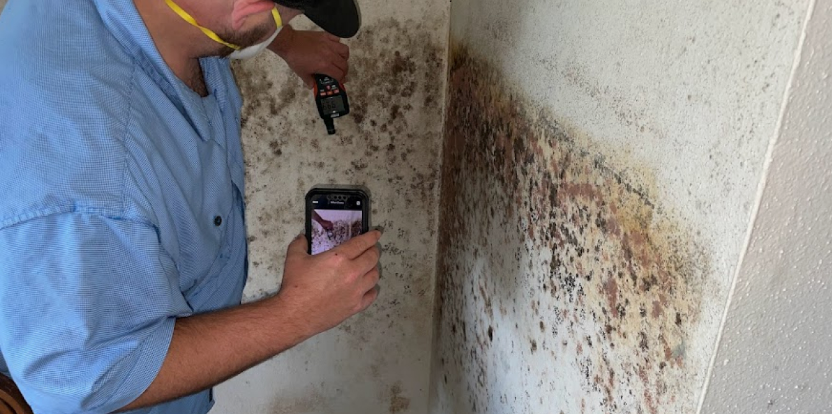
The inspector examines the property from foundation to roofline, looking for visible mold growth, water intrusion points, and conditions conducive to mold development. This includes checking attics, basements, crawl spaces, bathrooms, kitchens, and HVAC systems. Special attention is given to areas with previous water damage or high humidity levels.
2. Moisture Mapping
Moisture is the fuel for mold growth. Using specialized tools like thermal imaging cameras and moisture meters, the inspector identifies hidden moisture behind walls, beneath floors, and within ceilings. This step often reveals problem areas invisible to the naked eye.
3. Air Sampling
Air samples capture mold spores circulating in your indoor environment. These samples are compared against outdoor air samples to determine whether indoor spore levels are elevated and whether the types of mold present pose specific health risks. Air sampling is particularly valuable when mold is suspected but not visible.
4. Surface Sampling
Swab or tape-lift samples are taken from suspicious areas to identify the specific mold species present. This helps determine whether the mold is merely cosmetic (like common surface mold) or toxigenic (such as Stachybotrys chartarum, often called “black mold”).
5. Detailed Report
After testing, the inspector provides a comprehensive report outlining findings, including:
- Locations of mold growth
- Types of mold identified
- Moisture sources contributing to the problem
- Recommended remediation protocols
- Preventative measures to avoid recurrence
DIY Mold Testing vs. Professional Inspection
It’s tempting to grab a DIY mold test kit from a hardware store. While these kits can confirm mold exists somewhere in your home, they have significant limitations:
| Factor | DIY Test Kit | Professional Inspection |
|---|---|---|
| Accuracy | Limited; prone to contamination | High; laboratory-certified analysis |
| Moisture Source Identification | None | Comprehensive |
| Scope | Single room or surface | Entire property |
| Remediation Guidance | None | Detailed action plan |
| Liability | None | Documentation for insurance/real estate |
A professional inspection isn’t just about finding mold—it’s about understanding the full scope of the problem and having a roadmap to solve it.
After the Inspection: What Comes Next?
If mold is detected, the inspection report becomes your blueprint for remediation. Here’s what typically follows:
1. Containment
Affected areas are sealed off to prevent spores from spreading during cleanup. Negative air pressure and physical barriers are often used.
2. Filtration
High-efficiency particulate air (HEPA) filters and air scrubbers remove airborne spores from the environment.
3. Removal
Mold-infested materials like drywall, insulation, and carpeting are carefully removed and disposed of. Non-porous surfaces are cleaned and treated with antimicrobial solutions.
4. Moisture Correction
The underlying moisture issue—whether a leak, humidity problem, or ventilation deficiency—is corrected to prevent recurrence.
5. Post-Remediation Verification
A follow-up inspection and testing confirm that mold levels have returned to normal and the remediation was successful.
Preventing Mold After Inspection
Once your home is mold-free, prevention is key. Simple habits can significantly reduce your risk:
- Maintain indoor humidity between 30% and 50%
- Ensure proper ventilation in bathrooms, kitchens, and laundry rooms
- Address leaks immediately—even small drips
- Clean and inspect gutters regularly
- Use dehumidifiers in basements and crawl spaces
- Avoid carpeting in bathrooms and basements
FAQs
1. How much does a mold inspection cost?
Costs vary by location, property size, and scope of testing. On average, professional mold inspections range from $300 to $800. Comprehensive assessments involving multiple samples and extensive moisture mapping may be on the higher end.
2. How long does a mold inspection take?
A standard inspection typically takes 1.5 to 3 hours, depending on the size of the property and the number of areas requiring assessment.
3. Is mold inspection covered by homeowners’ insurance?
Generally, insurance covers mold inspection and remediation only if the mold resulted from a “covered peril” such as sudden pipe burst or storm damage. Gradual leaks, neglect, or humidity-related mold are typically excluded. Always review your policy.
4. Can I stay in my home during a mold inspection?
Yes, in most cases. However, if extensive air sampling or moisture mapping is being performed, you may be asked to vacate temporarily. Your inspector will advise you beforehand.
5. What’s the difference between mold inspection and mold testing?
Mold inspection is the comprehensive process that includes visual assessment, moisture mapping, and sampling. Mold testing refers specifically to the laboratory analysis of samples. A full inspection includes testing as one component.
6. How often should I get a mold inspection?
There’s no standard interval, but it’s wise to schedule an inspection after any water intrusion event, before purchasing a home, or if you notice persistent musty odors or allergy symptoms.
7. Can I remove mold myself?
Small areas of surface mold (less than 10 square feet) on non-porous materials can sometimes be cleaned with appropriate precautions. Larger infestations, mold in HVAC systems, or mold caused by contaminated water require professional remediation to ensure safety and thoroughness.
Conclusion
Mold doesn’t announce itself with a warning label. It grows quietly, often in spaces you never see, until one day the smell is undeniable or the symptoms are impossible to ignore.
A professional mold inspection isn’t an expense—it’s an investment in your property’s longevity and your family’s health. Whether you’re buying, selling, or simply settling into a home you love, knowing what’s happening behind your walls gives you the power to act before a small problem becomes a major crisis.
If you suspect mold, don’t wait. The longer mold remains unchecked, the more it spreads. A qualified mold inspector can provide the answers you need and the clarity you deserve.